

“Much of my physical and mental energy is consumed by bureaucracy and the daily frictions and glitches of life in Germany, forces beyond my control, that should instead be devoted to research, writing, and creative work. At the same time, hierarchical structures and rigid communication styles within German academia often stifle initiative and experimentation, making them ill-suited to a 21st-century innovation ecosystem.”
(X. Alvin Yang, Max Planck Institute for the History of Science.)
Recent political shifts and socio-economic pressures are reshaping the global research policy landscape. While funding cuts and isolationist approaches are emerging in some regions, particularly in the US, others are using this moment to position themselves as destinations for international research talent. Governments are increasingly competing through dedicated programmes and funding schemes, yet restrictive visa regimes, administrative burdens, language barriers, discriminatory assessment procedures, and unresolved qualification recognition issues continue to limit researchers’ mobility and attractiveness across systems.
Many of these talent-attraction instruments are not new. Grants, fellowships, and international recruitment schemes have existed for years, but they are now being re-branded and expanded, often in response to geopolitical shifts such as recent developments in the US. Whether these initiatives are sufficiently ambitious, or sustainable in the long term, remains an open question. Decisions to relocate also depend heavily on family support, visa conditions, and employment security.
Canada Global Impact+ Research Talent Initiative
Canada has launched the Global Impact+ Research Talent Initiative, a $1.7 billion package over 12 years included in Budget 2025. It consists of four programmes aimed at attracting international researchers:
- Canada Impact+ Research Chairs ($1 billion): supports institutions in recruiting world-leading researchers to chair positions, covering salaries and infrastructure for transformative research with pathways to application and commercialisation.
- Canada Impact+ Emerging Leaders ($120 million): targets international early-career researchers, with recruitment managed by host institutions under the Tri-Agency Framework on Responsible Conduct of Research.
- Canada Impact+ Research Infrastructure Fund ($400 million): supports world-class research infrastructure for recruited researchers.
- Canada Impact+ Research Training Awards ($133.6 million): enables top international doctoral and postdoctoral researchers to relocate to Canada.
China’s long-term talent strategy for talent attraction
China’s Thousand Talents Plan, launched in 2008, initially focused on attracting Chinese researchers from the diaspora and was later expanded to include foreign researchers in 2011. Awardees receive substantial financial incentives, including an one-time 1 million yuan start-up bonus (approximately USD 140,000), eligibility for 3–5 million yuan research funding, and additional benefits such as housing, relocation, education allowances, and spousal employment support (Nature; Jia, 2018). Access to the programme requires a confirmed job offer in China.
China is also investing in early-career talent programmes such as the Qiming Plan, which supports young researchers, often including returnees, with start-up funding, fixed-term positions, and access to research infrastructure. As implementation is largely decentralised, employment conditions and long-term career prospects vary significantly across institutions.
Choose Europe by the European Commission
The European Commission’s Choose Europe initiative brings together a fragmented set of measures across existing EU instruments, with a total indicative envelope of €500 million for 2025–2027, including:
- MSCA Choose Europe for Science (2025): €22.5 million to support longer-term postdoctoral recruitment and address precarity. Planned 2027 call: €51.25 million.
- A proposed 7-year ERC “super-grant” to provide longer-term perspectives for top researchers.
Germany’s Global Minds Initiative
Germany builds on established programmes from the Alexander von Humboldt Foundation and the German Research Foundation, covering all career stages. Measures range from temporary fellowships to support by host institutions’ career services. Funding includes:
- Humboldt Research Professorships (up to €3 million over five years).
- Humboldt Research Fellowships for postdocs (€3,000/month) and experienced researchers (€3,600/month), with family allowances in some cases.
- Alexander von Humboldt Professorships (€5 million in experimental fields; €3.5 million in theoretical fields).
However, many German research institutions are already highly internationalised (see, for example, the Max Planck PostdocNet 2024 General Survey, in which 63% of respondents were international researchers, Russell et al., 2025). For postdoctoral researchers, recent legislative developments in Germany have been particularly impactful, notably the amendment of the Academic Fixed-Term Contract Act (WissZeitVG). This reform regulates the use of temporary contracts for academic at universities and public research institutions, setting a maximum duration of six years before and six years after the PhD for fixed-term employment, which creates an uncertainty for postdocs.
Choose France for Science
Funded by the Agence Nationale de la Recherche (ANR) under France 2030, Choose France for Science supports international researchers in strategic areas such as health, climate, AI, space, and energy. The scheme is co-funded, covering up to 50% of project costs, with host institutions responsible for securing the remainder. As funding is project-based, employment conditions, salary top-ups, infrastructure access, and contract duration depend entirely on host institutions, raising concerns about unequal bargaining power and long-term security for international researchers.
Visas, mobility, and remaining barriers
Mobility decisions remain strongly influenced by visa procedures and costs for researchers and their families. Some countries are adapting visa schemes to enhance attractiveness. The UK Global Talent Visa targets highly skilled researchers with internationally recognised awards or endorsements from approved UK institutions, and proposals are under discussion to reduce or reimburse visa fees (Reuters, 2025). This contrasts with proposed sharp increases in US by Trump Administration H-1B visa applications from $215 to $100,000 for skilled foreign workers (CNN, 2025). Portugal has also introduced a Global Talent, Highly Qualified Activity visa, allowing non-EU researchers with a job offer to relocate with family members. However, comparatively low national salary levels may limit its effectiveness without additional institutional investment.
Open questions
As competition for talent intensifies, key questions remain: do these programmes risk reinforcing inequalities between research systems and institutions, or can they contribute to more sustainable research environments? When funding is predominantly project-based, uncertainty and precarity may persist, highlighting the need for longer-term structural solutions alongside talent-attraction initiatives.
“I am often told that my research program is “too ambitious”. Yet ambition and risk-taking are precisely what meaningful, excellent research and creative work demand, not constant caution. The prevalence of short-term fellowships and temporary positions makes long-term academic, personal, and family planning nearly impossible. Over time, these combined conditions erode focus, momentum, and morale, and quietly push talent elsewhere. Addressing these structural constraints is therefore urgent if Germany wishes not only to attract talented researchers, but to retain them.”
( X. Alvin Yang, Max Planck Institute for the History of Science)
Authors:
Carolina Varela, ICoRSA
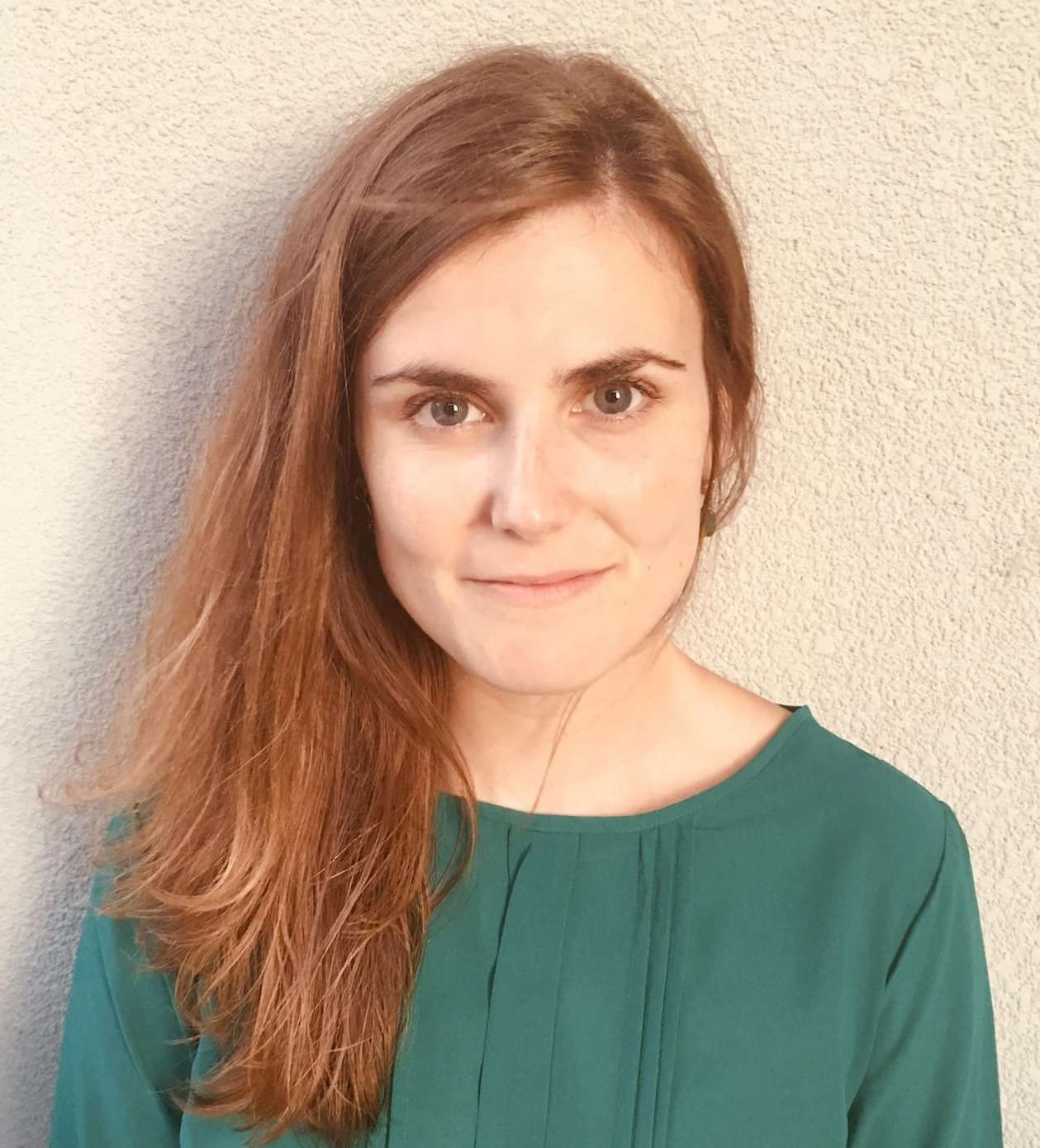
Carolina Varela has a MSc in Development and International Cooperation at ISEG-Lisbon School of Economics and Management of the University of Lisbon. Her career started with international cooperation projects in Spain followed by a five year experience as a research manager, most recently as a pre-award advisor at the NOVA School of Social Sciences and Humanities, Universidade Nova de Lisboa. She is an active member of several Portuguese research managers and science communicators science networks such as, the national network Plataforma de Interface à Ciência and the Lisbon network Finca Pé. Her research interests focuses on the comparative analysis and international benchmarking of RDI policies.
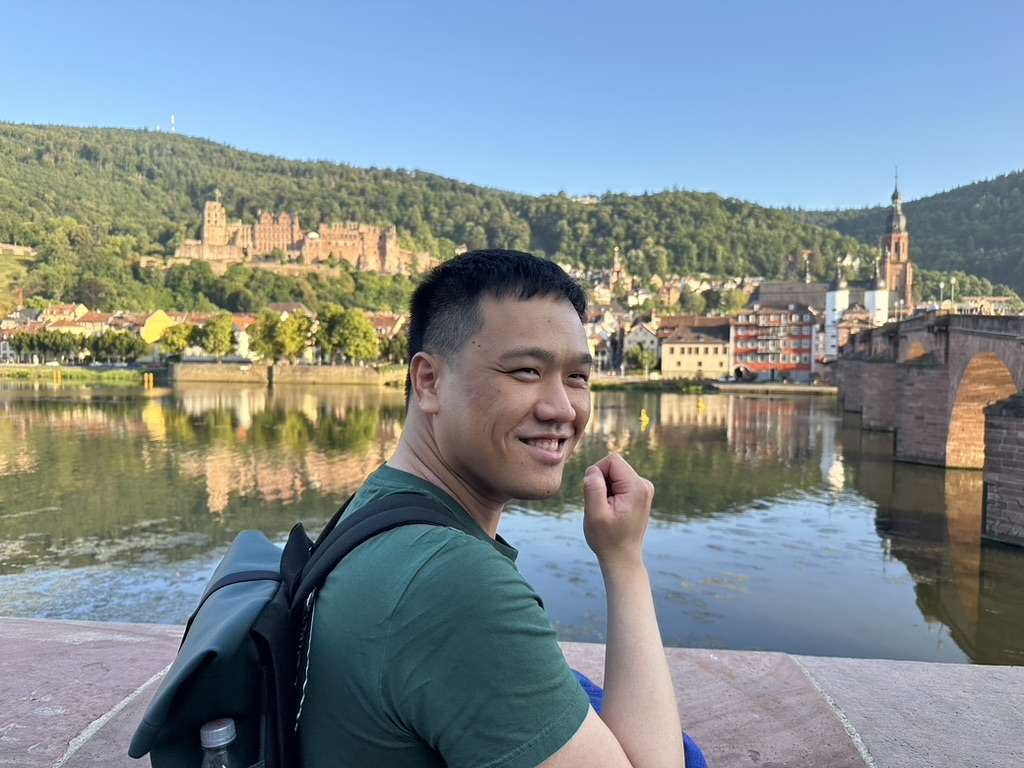
X. Alvin Yang is a researcher at the Lise Meitner Research Group China in the Global System of Science at the Max Planck Institute for the History of Science, where he also serves as Postdoctoral Representative. In 2025, he served on the Steering Group of the Max Planck PostdocNet and as Postdoctoral Representative for the Human Sciences Section of the Max Planck Society. He continues to serve as a Working Group Leader for Networking and Science Communication within the Max Planck PostdocNet. He has also been a Visiting Lecturer at Freie Universität Berlin, where he teaches research methods.
Sources
China – talent attraction
- China Talent Plan (overview portal): https://www.chinatalentplan.org/ (as provided)
- Nature background: Nature (2018). China’s global science ambitions. https://www.nature.com/articles/d41586-018-00538-z
European Commission – Choose Europe / MSCA
- European Commission Choose Europe page: https://commission.europa.eu/topics/research-and-innovation/choose-europe_en
- MSCA Choose Europe for Science (action page): https://marie-sklodowska-curie-actions.ec.europa.eu/actions/choose-europe-for-science
- MSCA Choose Europe for Science call info (REA): https://rea.ec.europa.eu/funding-and-grants/horizon-europe-marie-sklodowska-curie-actions/msca-choose-europe-science_en
Germany – Global Minds Initiative
- DFG: Global Minds Initiative Germany: https://www.dfg.de/en/research-funding/funding-initiative/global-minds-initiative-germany
- German Federal Ministry (BMFTR): https://www.bmftr.bund.de/EN/Research/ScienceSystem/global-minds-initiative-germany/global-minds-initiative-germany_node.html
- Humboldt Foundation (programme overview): https://www.humboldt-foundation.de/en/global-minds-initiative-germany-humboldt-foundation-sponsorship-opportunities
- Russell, N. J., Davies, R. J., Skirgård, H., Wiegand, A. C., & Samwald, S. (2025). The 2024 PostdocNet General Survey.
https://doi.org/10.17617/2.3658330
France – Choose France for Science
- ANR call page (2025): https://anr.fr/en/france-2030/call-for-proposals-details/call/choose-france-for-science-call-for-proposals-2025/
- Choose France for Science platform (EN): https://france2030.agencerecherche.fr/ChooseFranceForScience-2025/accueil.php?lang=EN
UK – Global Talent Visa
- UK Government overview: https://www.gov.uk/global-talent
- UK Government (research/academia route): https://www.gov.uk/global-talent-researcher-academic
- Reuters (2025): UK explores plan to drop visa fees for top global talent. https://www.reuters.com/world/uk/uk-explores-plan-drop-visa-fees-top-global-talent-ft-reports-2025-09-22/
US – H-1B fee proposal context
- CNN Business (2025): Trump proposal would sharply raise H-1B visa fees for employers. https://edition.cnn.com/2025/09/20/business/h-1b-fee-trump-immigration-workers
Portugal – highly qualified / research residence visa
- Government of Portugal service page (PT): https://www2.gov.pt/servicos/pedir-um-visto-de-residencia-para-o-exercicio-de-atividade-de-investigacao-ou-altamente-qualificada